

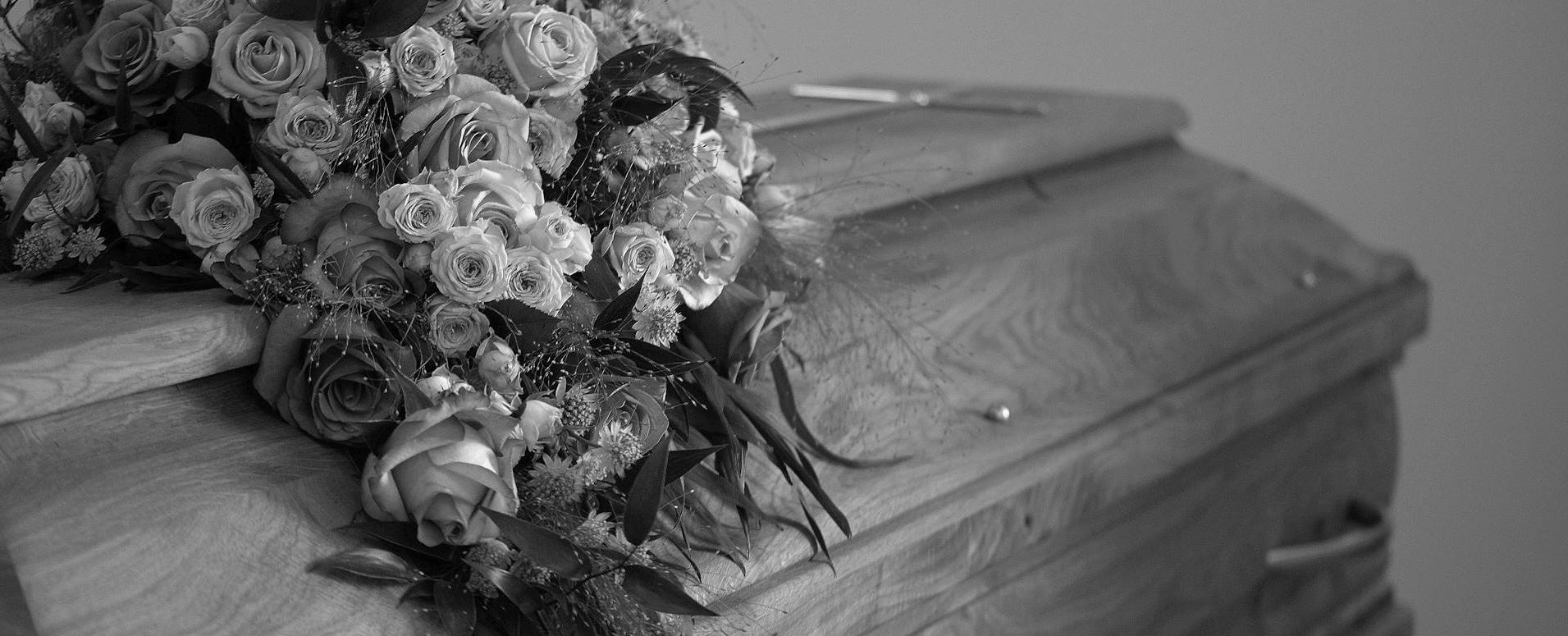
Death is an inevitable part of life. Today, most shy away from it and avoid talking to their children about it. The old trope about Rover going to “live on a farm” betrays a fear and timidity, perhaps some embarrassment akin to talking about the “birds and the bees” when they come of age.
It is better to go to the house of mourning than to go to the house of feasting, for this is the end of all mankind, and the living will lay it to heart.
Ecclesiastes 7:2
As is typical, avoiding the topic of death is the opposite of what the wise thing to do. Now, more than ever, parents should take their children to funerals and visitations. Children should see people weeping. They should see the bodies of the dead. Not as an everyday occurrence, but as a natural rhythm of life, just like they see the trees paint their leaves with fire and bronze every Fall, and then sprout them anew each Spring.
And in the process, they should be taught to take it to heart. They will not live forever. Their parents will not live forever. If they are blessed, they will live long enough to help bury their parents and many of their friends. A long life brings its own sort of pain.
Children used to be around death more often. Life on a farm, for example, presented all sorts of opportunities that are foreign to our current sterilized existence.
Chickens would die for the sake of the oven. Animals would be stolen by coyotes. The cycle of life was laid bare for all to see, and parents could teach, and children could learn. Likewise, families used to be larger. Most would have lost a sibling or two and remember it.
Where modern life fails, fathers must fill in the gaps. Take them to as many funerals as you are able. Let them see you comfort those who mourn. Let them see the laughter of loved ones as they remember the life of the one who passed on.
Is it inconvenient? Yes. It’s meant to be.
Death intrudes. It does not care about anyone’s schedule. It comes like a thief in the night, and the living must deal with the consequences. We are forced to respect it because it will eventually come for us all.
Even for the Christian, death intrudes, though it has been softened to a deep sleep.
Do not fail to provide your children with this important education.
And when you are gone, do not deny them another lesson. There is a trend to avoid funerals altogether, with people telling their relatives they don’t want anything done for them. No service. No burial. Just burn and forget. Another symptom of our queasiness about death.
Denying yourself a proper funeral is cruelty to the living. A funeral provides closure. It gives people permission to move on. Yes, funerals can be painful. They’re supposed to be painful, like purifying a wound. Without a ceremony of some kind, people can walk around with a tumor for the rest of their lives.
Remember, deep down, the funeral isn’t about you. It isn’t for the dead. It’s for the living, so that they take it to heart.
It is good to go to the house of mourning.
Why would you deny something good for your loved ones?
This is something I've given quite a bit of thought to, especially since I'm in the medical profession. By rushing every elderly person to the hospital at the first sign of illness, and choosing every possible intervention, even when it translates to a painful and prolonged death, we've deprived them of the blessing of a peaceful passing at home, surrounded by loved ones, and we've deprived the family as well. Kids certainly used to be exposed to the natural cycle of life at a much younger age, essentially from the time they were capable of perceiving it all around them, from chickens and hogs right down to the day grandma stops rocking in front of the fireplace. In fact, in many cases, just going to church meant passing through a cemetery which must have prompted questions. Given the change in our lifestyles though, is there perhaps an age beyond that of first perception at which it is wise to introduce the concept of death? Definitely younger than is common in our culture, but perhaps older than (due to inescapable reality) it used to be?